Da'Jae Allen
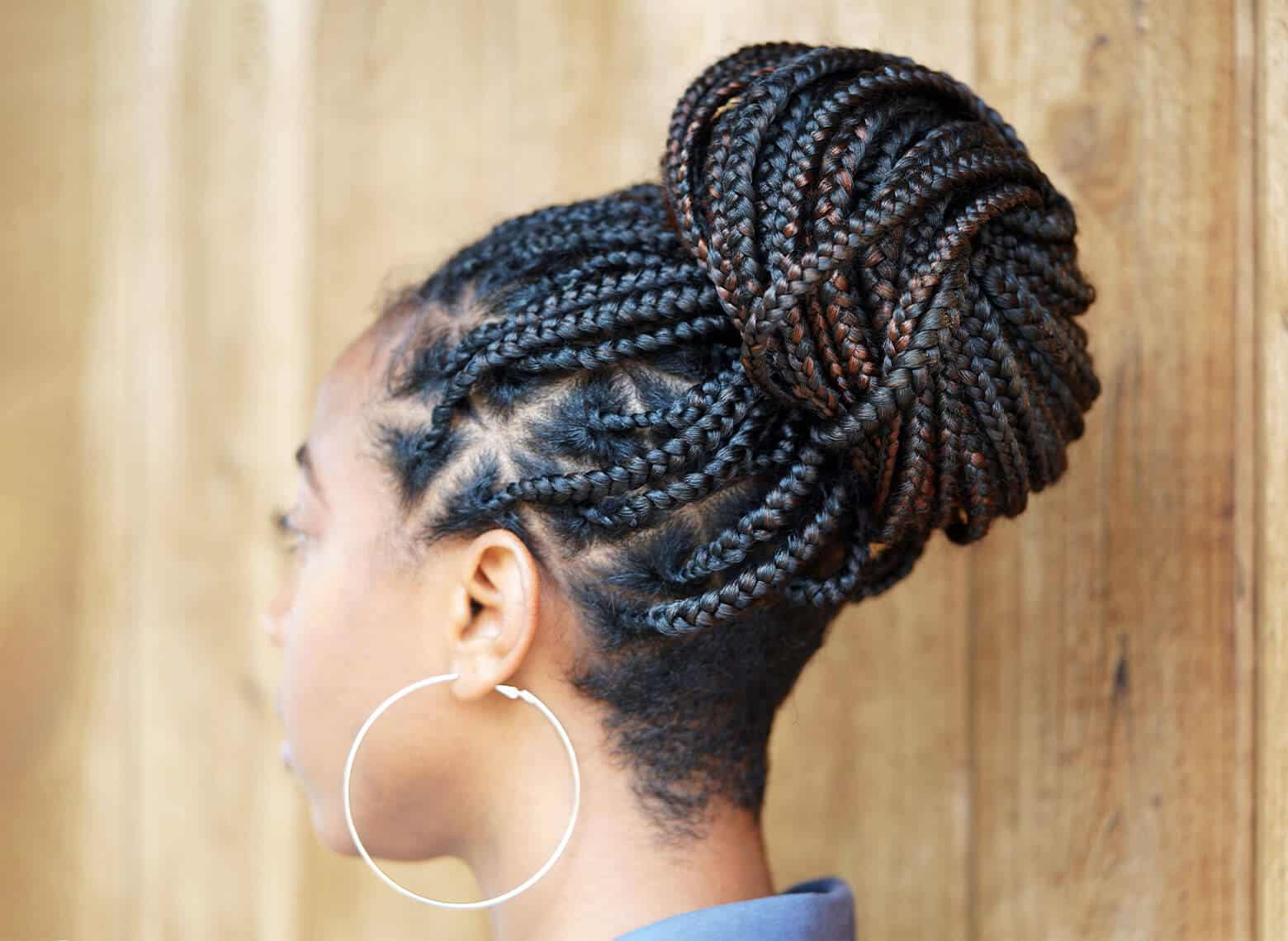
Black women’s hair has always been something more than an accessory. It’s a part of who they are, a form of self-expression, and very often it is a stance against racism and a push back against society’s beauty standards.
Braids for example, are a staple in the Black community. From using them as a way to hide rice grains and maps during slavery, to turning into a robust avenue for entrepreneurship and business, the hairstyle is deeply embedded into Black culture.
With knotless and box braids rising in popularity in the 90s, due to Janet Jackson’s style in the movie “Poetic Justice,” Black women across America began opting for the same look, and the trend stuck. In 2023, the market for these products was valued at $2.79 billion in the U.S, and by 2029 is expected to reach a value of $6.34 billion. Nyla Williams, sophomore Business Administration major at Florida A&M University says, “I honestly wouldn’t be able to live without braids.”
The style is normally created by adding synthetic braiding hair from a beauty supply store, into the braiding of the actual hair on one’s head. Then, to seal the ends and make sure nothing unravels, the braids are either dipped in boiling water or scorched with a lighter. And this is where the problem begins.
A consumer report that came out earlier this year found that in all 10 brands of the synthetic braiding hair they tested, they found multiple carcinogens, including benzene, a known cancer-causing chemical. According to the National Library of Medicine, synthetic braiding hair often contains modacrylic fibers composed of acrylonitrile and vinyl chloride, both classified as toxic to humans. And when one gets to the process of dipping their ends in water or locking their ends with fire, exposure to heat can release these chemicals.
These findings raise significant health concerns for individuals using these products, as exposure to such chemicals can increase the risk of developing serious illnesses over time such as cancer, reproductive issues, and a general decline in health. Especially considering these hair styles are typically worn by Black women for 4-6 weeks. Phoebe Williams, a senior at Crane High School says, “It makes me worried because I’ve been using synthetic braiding hair for a few years now, so it makes me wonder if it will affect me later in my life.”
Board certified dermatologist Jeanine Downie says that she believes the study is valid and will be recommending to her patients that they use human hair from now on. While this seems like a simple alternative, the cost difference between human and synthetic hair is large. A pack of human hair can cost anywhere form $80-$100 while a pack od synthetic hair can cost anywhere from $5-$20. And depending on length and style, one person could need up to 3-4 packs for their head, making buying human hair for an entire style unattainable for many due to the cost.
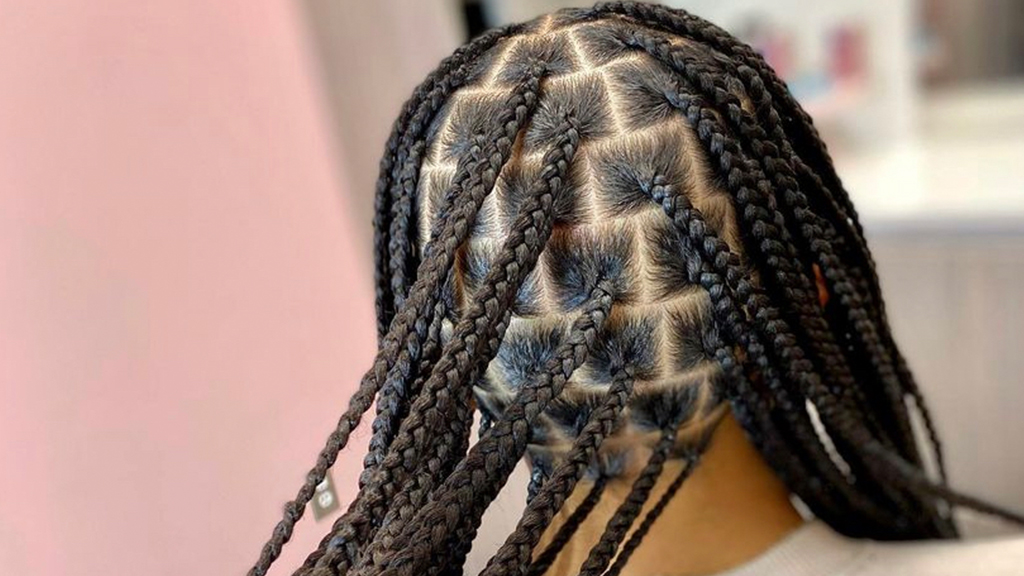
Gabrielle Bolton, sophomore psychology major at Howard University says, “Learning that synthetic braiding hair contains harmful chemicals linked to health issues is alarming both as a braider, and as someone who wears braids frequently. To reduce exposure, I plan to detox synthetic hair before installing it by soaking it in a mixture of apple cider vinegar and water. This helps break down the chemical coating, reduces irritation, and makes the hair more comfortable to wear. I’ll also recommend using more natural or non-toxic hair options when possible.”
Ultimately, while braids remain a cherished and culturally significant hairstyle for Black women, the recent findings about synthetic braiding hair highlight an urgent need for safer alternatives. The presence of toxic chemicals in widely used hair products underscores broader issues of environmental justice, consumer safety, and health disparity. As awareness grows, individuals and communities can push for greater transparency from manufacturers, advocate for non-toxic alternatives, and explore methods to reduce exposure. In the meantime, solutions like detoxing synthetic hair, wearing braids for shorter periods of time, and pushing for more affordable human hair options can help minimize risks. The conversation around Black hair has always been about more than just style. It’s about health, identity, and the right to safe beauty practices.
By Da’Jae Allen, Junior, Howard University
Instagram: @dajae.10
True Star Media’s content is made possible thanks to donors like you. By donating at truestarmedia.org/donate you are helping to empower young creators and transform lives.